Bringing SoinsAvec to Life: Our Live Labs Session at KBTA

Wairimu Wa Mathai
Published on March 17, 2026
Last month, we did something we've been yearning for since 2026 ushered in: we put SoinsAvec in the hands of real users. Not on a screen in our office, but in a real world right here in Nairobi, with actual children, their parents, and the speech-language pathologists (SLPs) who support them day in and day out. And we did it through the support of our incredible partners at Kilimanjaro Blind Trust Africa (KBTA).
I'm not going to lie — I was nervous. We've been building SoinsAvec for months, pouring our hearts into creating something that truly works for children with speech and language impairments like stuttering, dysarthria, cerebral palsy, and delayed speech. But there's a huge difference between believing in your product and watching someone; especially a 7-year-old use it for the first time and see their face light up because it actually helps them communicate.
What We Set Out to Do
SoinsAvec is more than just another AAC (augmentative and alternative communication) app. It's a companion for children navigating speech and language challenges. It includes:
- Self-screening tools for developmental language and speech skills
- Assistive communication features that adapt to each child's needs
- Interactive speech therapy exercises designed by SLPs
- Care coordination features that keep parents, therapists, and educators connected
We wanted to answer some critical questions: Does the interface make sense to kids? Can parents actually manage care coordination without feeling overwhelmed? Do the therapy exercises genuinely help? And maybe most importantly — does it feel human? Does it celebrate the child's voice instead of making them feel "broken"?
Walking Into KBTA
KBTA has been doing remarkable work across East Africa for years, supporting people with disabilities through assistive technology, training, and community-based programs. When the team shared the opportunity to host a Live Labs Session, we didn’t hesitate — we jumped at it. KBTA is among the top players who understand the gaps in assistive technology access better than many.
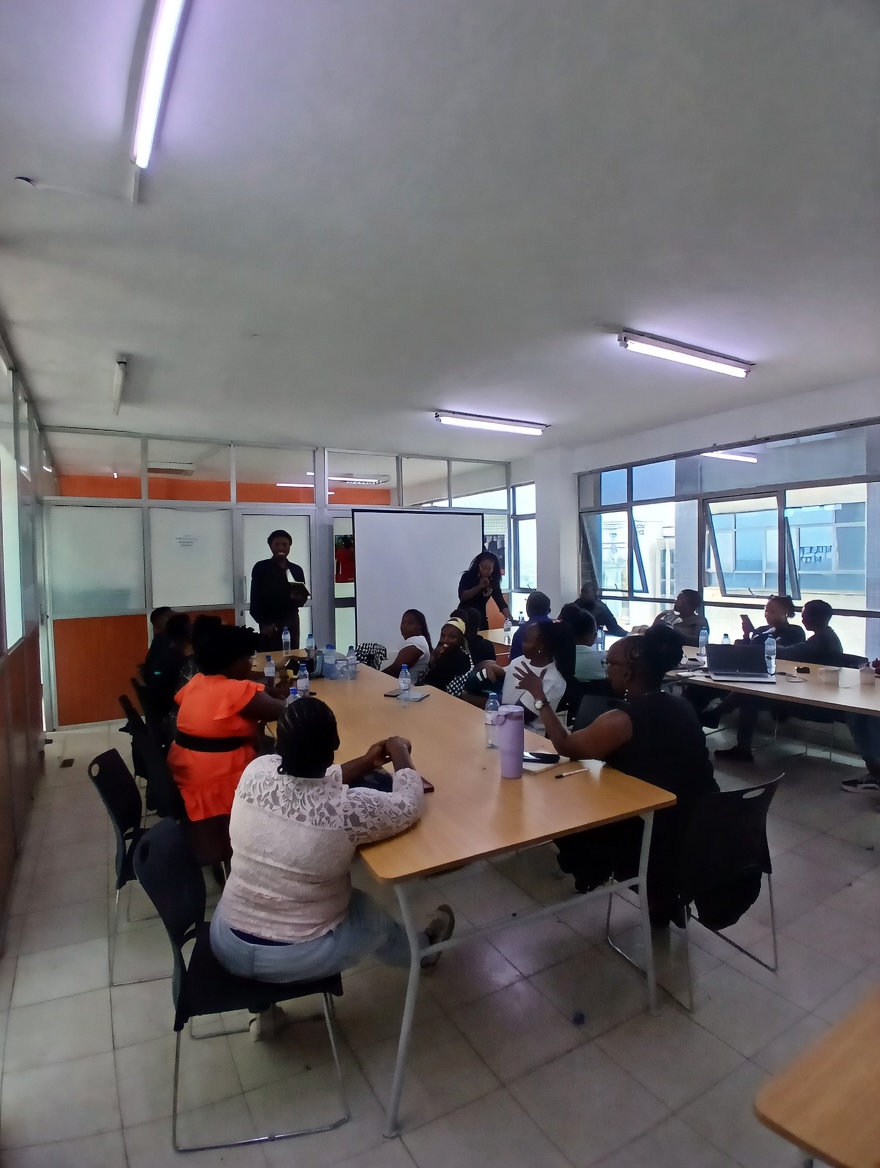
The session brought together over 15 participants: five children (ages 5–13, each with distinct speech and language profiles), seven parents, two SLPs, and one educator. We set up in a bright, welcoming space, and made one thing clear: we weren’t looking for polish — we were looking for truth.
The Moments That Mattered
About 15 minutes into the session, a 7-year-old named Brian (who has cerebral palsy and uses AAC) started playing with the assistive communication feature. He was tapping through word combinations, testing the predictive system, and then... he smiled. A real, genuine smile. When we asked her Mom how she feels, she said: "He's never by himself like this. He's usually waiting for me to translate. But here, he's just... expressing himself and the app does the rest."
That's when I realized: this isn't about being perfect. It's about giving kids agency.
Then there was Zara, age nine, with delayed speech. Her mom started her on the self-screening module, and the interactive, simplified questionnaires immediately drew her in. But what caught the SLP’s attention was something deeper: "She’s not just answering questions — she’s curious. She wants to know what comes next, not just wait for instructions."
This wasn’t mere engagement. It was ownership
One parent, Clare, said something that stayed with me: "Usually when we visit the therapist, I'm taking notes, trying to remember what to do at home. This? I can see exactly what my child is learning. We can practice together without it feeling like homework." The care coordination screen suddenly wasn't a feature — it was a bridge between clinical and home settings.
What We Learned (The Honest Bits)
Not everything was smooth. Here's what we heard:
Font size matters more than we thought. Several parents found the default text too small. We were designing for screens, not for parents with aging eyes who need to help their kids navigate. Simple fix, big oversight.
The therapy exercises need more flexibility for non-verbal or pre-verbal children. One child who uses minimal verbal communication found the voice-based exercises challenging. We're redesigning these to include more visual and tactile interaction patterns.
Speed matters. Kids have short attention spans (fair). If the app takes 3 seconds to load between screens, they're gone. We're optimizing performance like our lives depend on it.
Parents need reassurance that the data is theirs. Multiple parents asked about privacy and data ownership. We have strong practices here, but we weren't communicating them clearly. We're rebuilding our privacy documentation to be plain English, not legalese jargon.
What Went Right
The core vision works. SoinsAvec is already valuable! Kids engage with it smoothly. Parents understand it quickly. SLPs see its potential as a clinical companion tool. The architecture — personalized communication, therapy exercises, care coordination — resonates.
Local context matters. We tested in Nairobi, with Kenyan children, using local referrals. The SLPs who participated offered insights only someone deeply embedded in the East African healthcare landscape could provide. We're never building for "developing markets" again; we're building with them.
The community is hungry for this. Every single parent asked when it would be available. Not out of politeness — out of genuine need. That responsibility sits heavy, but it also fuels us.
What's Next
We're heading into the next phase of development with concrete insights, not assumptions. Our roadmap includes:
- Enhanced accessibility for diverse communication profiles
- Faster performance and offline functionality
- Clearer privacy and data ownership documentation
- Expanded therapy exercise library, co-designed with SLPs
- Planning the next phase of community sessions in partnership with our close partners
In April, we aim to host another session with different users. We're learning that user testing isn't a checkbox — it's the heartbeat of what we do.
A Moment of Gratitude
To KBTA, for opening their doors and for decades of work making assistive technology accessible. To the families who gave us their time and trust. To the SLPs who challenged us to think bigger. To Brian, Zara, and every child in that room who reminded us why we're doing this — to give every child, regardless of their speech or language profile, the tools and support they need to be heard.
Building SoinsAvec is about code, design, and strategy. But when you think about it, it's really about Brian's smile, and making sure there are thousands more like it.
If you're interested in organizing a pilot testing session with us or collaborating on community research, reach out at hello@umbilabs.com.