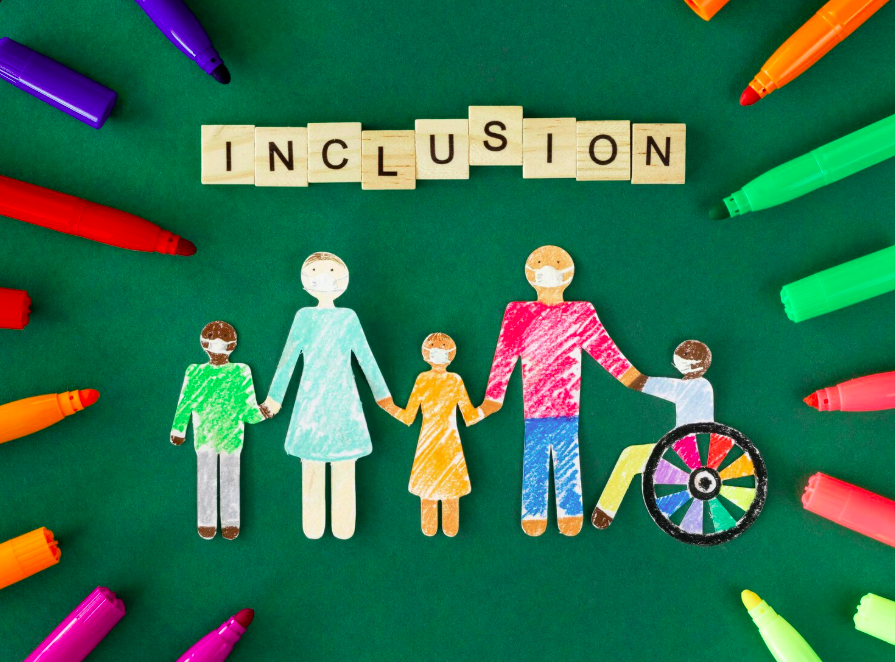
Lessons From World Health Day 2026: Why Assistive Technology Access Matters for Children
Wairimu Wa Mathai
Published on 2026-04-10
Earlier this week on 7th April, the world celebrated World Health Day 2026. While the global health community focused on the theme and statistics, I couldn't shake a thought that's been haunting me: somewhere in Nairobi, Kampala, Kigali, or beyond, a child with a speech disability is sitting at home or in a classroom they can't fully participate in. Not because they lack intelligence or potential, but because they lack the tools to express themselves.
That child should be learning. They should be asking questions, sharing ideas, making friends. Instead, they're silent, not by choice, but by circumstance.
The Gap We're Not Talking About
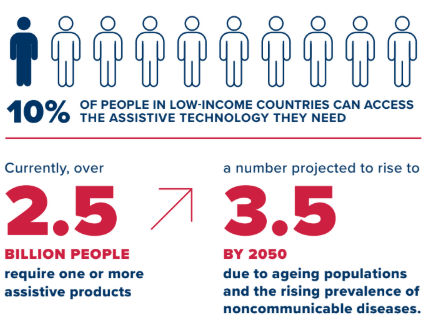
Here's what the data often misses: millions of children across the world live with speech and communication disabilities, and a disproportionate number lack the tools to succeed in school. Here in Kenya and across the region, limited access to healthcare, rehabilitation services, and critically, assistive technology (AT) means that countless children with speech, language, and developmental delays are growing up without adequate support.
The Reality on the Ground
A report by AT2030 found that while assistive technology needs are profound across African countries studied, implementation remains fragmented and underfunded. Children who need AT most often have access to it least.
But here's what makes this even more urgent: the years between 2 and 13, the foundational school years, are when children develop not just language but confidence, social connections, and a sense of belonging in the world. Speech and language services in schools directly impact literacy outcomes and social integration, yet many local schools lack basic resources for identification and support.
The Missing Link Between Health and Education
This is where the UN Sustainable Development Goals become more than aspirational. The WHO's 2030 Agenda and SDG 4 (Quality Education for All) cannot be achieved without addressing a fundamental gap: children cannot participate fully in education if they cannot communicate effectively.
Critical Insight
The conversation about communication access in Kenya and within the E.A region remains fragmented. Health systems focus on diagnosis and treatment, when they exist at all. Educational systems assume students can communicate. Neither adequately addresses the assistive technology infrastructure that sits between them.
Across education systems in Africa, AT remains absent from policy frameworks and budgets despite growing evidence of its impact. We are witnessing digital infrastructure advancing rapidly—this unprecedented opportunity calls for us to build AT into education systems from the ground up, not retrofit it later.
Here's the reality: a child who can't communicate is a child kept on the margins of the classroom. Without the right tools, they fall behind, not just academically but socially. They internalize the message that they don't belong. By adolescence, many have already disconnected from learning altogether.
Breaking the Cycle Requires a Bridge
The solution isn't complicated. It's not about importing expensive devices from the Global North. It's about creating infrastructure that works within African contexts: mobile-first, low-bandwidth, designed for actual households and classrooms, not theoretical ones.
Early identification is crucial. Many parents in under-resourced settings don't have access to speech therapists or developmental screening. By the time a child's language delay is noticed, they're already falling behind. What if parents had a tool to identify concerns early and understand what it means? What if that same tool could guide them toward practical support without requiring a specialist visit they can't afford?
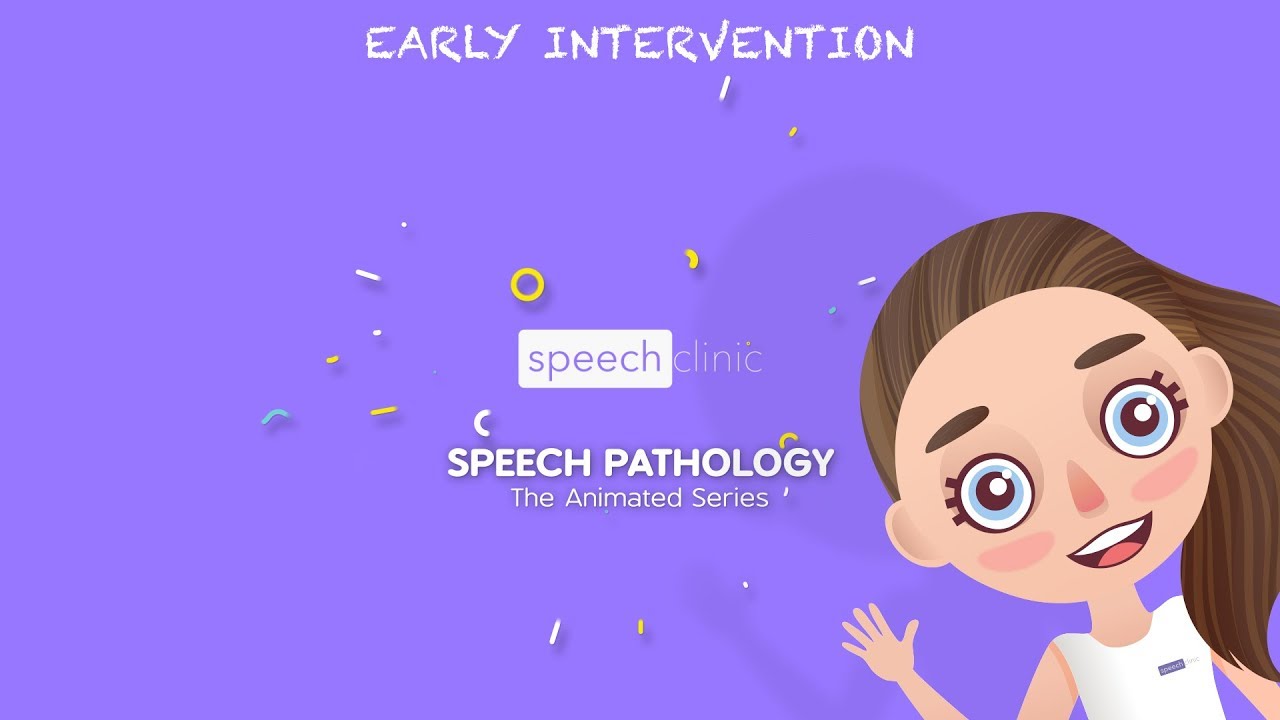
Once concerns are identified, therapy and support must be available, accessible, and integrated into the child's actual life. Not isolated clinic visits, but interactive exercises that feel like play and can happen at home, in school, with parents, teachers, and therapists all seeing the same progress. A unified view of the child's development that connects the adults around them rather than siloing care across multiple providers.
And critically, communication itself must be enabled. A child with atypical speech patterns needs a tool that understands them. That doesn't add barriers to expression but removes them. Technology that listens, adapts, and empowers.
This Is Where SoinsAvec Comes In
When we started building SoinsAvec, we had one straightforward question: What if a child with a speech disability in Kitengela, Nairobi had the same access to communication support as a child in London?
SoinsAvec is built around four interconnected pillars that address the real needs of children and families:
- Assistive Communication: Automatic speech recognition (ASR) technology built to recognize non-standard pronunciation patterns. This isn't about correction or conformity. It's about ensuring a child's voice is heard, exactly as it is.
- Early Identification: Self-screening tools that empower parents to identify potential delays without specialist visits. Not to diagnose, but to understand and act with clear, actionable guidance.
- Therapy That Feels Like Play: Interactive speech therapy exercises designed to engage children. Whether addressing articulation or fluency, the experience is progressive and celebrates small victories.
- Care Coordination: Parents, therapists, and teachers see the same data and track progress together. A shared view of the child's development that enables seamless support coordination.
Built for our local experiences means built for reality: mobile-first, low-bandwidth where connectivity is inconsistent, offline functionality for core features, and personalization that reflects the languages and cultural contexts of East Africa.
Join Our Beta Program
Interested in being part of this transformation? We have opened limited spots for beta testing. If you're a parent, therapist, educator, or school administrator in Kenya or East Africa interested in piloting SoinsAvec, join our beta program. You can also reach out to us via email.
We're building this with you, not for you.
Alignment With What The World Committed To
This work isn't separate from global health and education agendas. It's foundational to them. When we talk about Quality Education for All, we're talking about EVERY child. The UN's Education for Sustainable Development framework emphasizes that education must be equitable and inclusive. That's not possible without addressing communication access.
SoinsAvec exists because we believe our children deserve to be heard. Not charity. Not external solutions. But tools built with them in mind, supporting the already-existing strength and resilience of families, therapists, and communities.
The Ripple Effect We're Just Beginning to Measure
When a child speaks, even with support, even through technology, something shifts. They're not just participating. They're building confidence. They're forming friendships. They're learning that their disability doesn't define their potential.
And that ripple extends beyond the individual child. Parents witness their child's transformation. Teachers see new possibilities. Other children learn empathy earlier. Institutions become more inclusive. Communities begin to normalize instead of stigmatize difference.
This is how we move toward sustainable development. Not through grand declarations, but through deliberate, thoughtful actions that give children the tools to express themselves and participate fully in their own education.
A Challenge and an Invitation
World Health Day 2026 is behind us, but the work remains. The children in our communities, in Nairobi, Kampala, Kigali, and across East Africa, they're not waiting for the next global health initiative.
For Parents and Caregivers
Your child's voice matters. Seek out resources, even imperfect ones. Your advocacy for accessibility is powerful and directly impacts whether your child gets the support they deserve.
For Educators
Your classroom can be more inclusive. Start with simple AT tools. Build skills. Model acceptance. You have more influence than you might realize in creating welcoming learning environments.
For Policymakers
Assistive technology isn't a luxury. It's infrastructure. Invest in it the way you'd invest in electricity or roads, because communication access is the foundation of everything else.
For Other Organizations and Innovators
The gap is enormous, but it's not insurmountable. There's room for all of us to build solutions that meet the needs of people where they are. Collaborate, share learnings, and scale what works.
The Future We're Building Toward
Imagine a world where a seven-year-old with a speech disability sits in a classroom and raises her hand. She has thoughts, and she has the tools to express them. Her teacher listens. Her classmates listen. She's not invisible. She's integrated. She's not a problem to solve. She's a student learning her place in the world.
This Future Is Possible
That future isn't theoretical. It's achievable. But it requires us to close the AT access gap, one child, one classroom, one community at a time.
World Health Day reminds us to reflect. Let's use this moment to commit to real change.
SoinsAvec is built on the conviction that every child deserves to be heard. Join our beta testing program to help shape the future of communication access for children with speech, language, and developmental disabilities. If you're working on accessibility and inclusion, especially in under-resourced settings, we'd love to connect. Reach out via email or our feedback form.